
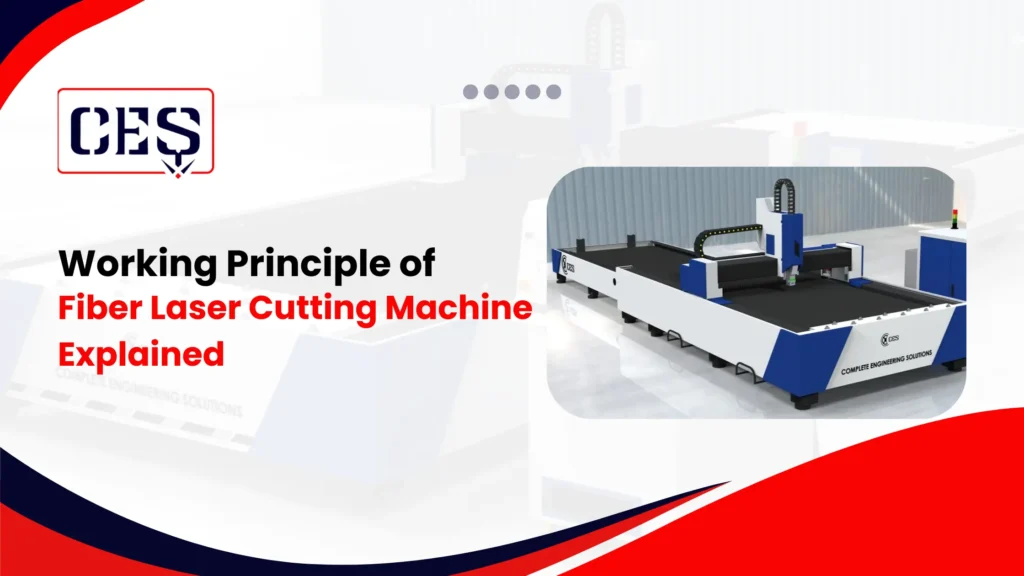
Precision and efficiency have become critical priorities in modern metal fabrication and manufacturing. Industries are expected to produce complex components quickly while maintaining consistent quality and minimizing material waste. Meeting these expectations requires advanced solutions that can support both speed and accuracy in production environments. One technology that has gained widespread adoption is the fiber laser cutting machine, known for its ability to improve manufacturing performance across various applications. Understanding its working principles and industrial importance helps businesses make better decisions when selecting equipment and optimizing production processes for long-term efficiency.
What is a Fiber Laser Cutting Machine?
A fiber laser cutting machine is an industrial system used to cut metal by directing a highly concentrated beam of light onto the material. The beam generates enough heat to melt or remove the metal along a programmed path, creating clean and precise cuts. The process is controlled by computer software, which allows consistent results and the ability to produce detailed shapes with minimal manual effort.
How It Differs from CO₂ and Plasma Cutting Machines
The main difference lies in how the cutting energy is produced and applied. Fiber lasers typically provide higher precision and faster performance for many metals, with lower maintenance needs. CO₂ machines use gas-based laser technology, while plasma cutting relies on an electrical arc, which is usually less precise but effective for thicker materials.
Main Components of a Fiber Laser Cutting Machine
Understand the key parts that power a fiber laser cutting machine and ensure accurate, high-speed metal cutting. Learn the role of the laser generator, CNC system and mechanism.
Fiber Laser Source
The fiber laser source is the main unit that produces the high-energy laser beam required for cutting metal. It converts electrical energy into a focused light beam and sends it through fiber cables to the cutting head. Stable output from this component is essential for consistent cutting performance.
Cutting Head and Focusing Lens
The cutting head guides the laser beam onto the material surface. A focusing lens inside the head concentrates the beam into a very small spot, creating the heat needed to melt the metal. It also includes a nozzle that directs assist gas during the cutting process.
CNC Control System
The CNC control system manages the machine’s movements based on programmed designs. It controls the position, speed, and path of the cutting head, ensuring accurate shapes and repeatable production without manual intervention.
Assist Gas System
This system supplies gases such as nitrogen, oxygen, or compressed air during cutting. The gas helps remove molten material, protects the cutting area, and improves edge quality depending on the application.
Machine Bed and Motion Mechanism
The machine bed holds the metal sheet securely, while the motion mechanism moves the cutting head or table along precise paths. Strong construction and smooth motion are important for maintaining accuracy in industrial operations.
Working Principle of Fiber Laser Cutting Machine (Step-by-Step Process)
This section explains the working principle of a fiber laser cutting machine in a clear step-by-step process. It covers laser beam generation, transmission through optical fiber, precision focusing on the material, melting with assist gas removal, and CNC-controlled movement to create the final cutting shape.
Laser Beam Generation
The process begins with the laser source, which generates a high-energy beam using electrical power. This beam contains concentrated energy that will later be used to cut the material with precision.
Beam Transmission Through Optical Fiber
Once created, the laser beam travels through flexible optical fiber cables to reach the cutting head. This transmission method allows efficient energy delivery with minimal loss and supports stable cutting performance.
Focusing the Laser on the Material Surface
Inside the cutting head, special lenses focus the beam into a very small, intense point. This concentrated energy is directed onto the material surface, creating the heat required for cutting.
Material Melting and Vaporization
When the focused beam contacts the material, the temperature rises rapidly. The metal begins to melt or vaporize along the programmed path, forming a narrow cut line with high accuracy.
Assist Gas Removes Molten Metal
At the same time, assist gas is released through the nozzle. The gas blows away molten material from the cutting area, keeps the cut clean, and can improve edge quality depending on the gas type used.
CNC Movement Creates the Final Cutting Shape
Finally, the CNC control system moves the cutting head or worktable according to the programmed design. This coordinated motion creates the desired shape, completing the cutting process with consistent and repeatable results.
Materials That Can Be Cut Using Fiber Laser Machines
Common Metals (Steel, Stainless Steel, Aluminum, Copper, Brass)
Fiber laser machines are mainly used for cutting a wide range of metals with high precision. Common materials include mild steel, stainless steel, aluminum, copper, and brass. These metals are widely used in industries such as automotive, construction, electronics, and manufacturing. The technology is especially effective for reflective metals like aluminum and copper, which can be more challenging for some traditional cutting methods.
Thickness Capabilities Based on Machine Power
The thickness a machine can cut depends largely on its power level and the type of material. Lower-power machines are suitable for thin sheets and detailed work, while higher-power systems can handle thicker metal plates. Material properties, such as hardness and thermal conductivity, also influence cutting performance and achievable thickness.
Advantages of Fiber Laser Cutting Technology
These are the major benefits of fiber laser cutting technology, from superior cutting accuracy to low maintenance requirements. Learn why it is widely adopted for modern, high-performance manufacturing.
High Precision and Clean Edges
Fiber laser cutting provides very accurate results with narrow cut widths and smooth edges. This reduces the need for additional finishing processes, saving time in production.
Faster Cutting Speed and Productivity
The technology allows faster cutting, especially for thin to medium metal sheets. Higher speed means more parts can be produced in less time, improving overall manufacturing efficiency.
Lower Maintenance and Operating Cost
Fiber laser systems typically have fewer moving components compared to some traditional machines. This reduces maintenance requirements, downtime, and long-term operating costs in industrial environments.
Energy Efficiency Compared to Traditional Cutting
These machines convert electrical energy into cutting power more efficiently. Lower energy consumption helps reduce operating expenses while supporting more sustainable production practices.
Automation and CNC Integration Benefits
Fiber laser machines work with CNC controls and automation systems, allowing consistent quality and repeatable production. Integration with software also supports complex designs and reduces manual intervention during operation.
Industrial Applications of Fiber Laser Cutting Machines
This section explores the major industrial applications of fiber laser cutting machines across manufacturing sectors. It highlights the use in sheet metal fabrication, automotive, aerospace, electrical components, and heavy machinery production.
Sheet Metal Fabrication Industry
Fiber laser cutting machines are widely used in sheet metal fabrication for producing panels, enclosures, brackets, and custom components. Their precision helps achieve accurate dimensions and clean edges, which are important for assembly and finishing.
Automotive and Transportation Manufacturing
In automotive and transportation sectors, these machines are used to cut body parts, structural components, and interior metal parts. High speed and repeatability support mass production while maintaining consistent quality.
Aerospace and Defense Components
The aerospace and defense industries require tight tolerances and reliable accuracy. Fiber laser cutting helps manufacture lightweight metal components and complex shapes that meet strict performance standards.
Electrical Panels and Electronics
Manufacturers use this technology to cut control panels, cabinets, and small metal parts used in electrical systems. Precision cutting ensures proper fitting of components and reduces material waste.
Heavy Machinery and Construction Equipment
Fiber laser machines are also applied in producing parts for heavy equipment, frames, and structural components. The ability to handle different metal types makes them suitable for demanding industrial applications.
Conclusion
Fiber laser cutting works by directing a concentrated laser beam onto metal surfaces to melt or remove material along a programmed path. This process provides manufacturers with high precision, clean edges, and improved efficiency, reducing waste and production time. Its speed, accuracy, and adaptability make it increasingly important in modern manufacturing. As industries adopt automation and smart factory practices under Industry 4.0, fiber laser cutting is becoming a key technology for efficient, flexible, and reliable metal fabrication.